
Home

Yellowstone National Park, established in 1872, is the first national park in the world and one of the most remarkable natural wonders in the United States. Spanning over 2.2 million acres across Wyoming, Montana, and Idaho, the park is renowned for its geothermal features, diverse ecosystems, and stunning landscapes. Yellowstone sits atop a massive volcanic hotspot, which is responsible for its famous geysers, hot springs, fumaroles, and mud pots. The park is home to more than half of the world’s active geysers, including the iconic Old Faithful, which regularly erupts, shooting steaming water high into the air.
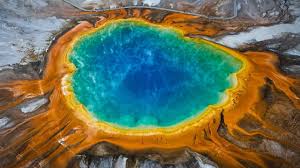
One of the park's most distinguishing features is the Yellowstone Caldera, a supervolcano that has experienced several massive eruptions over the past two million years. The caldera itself forms a massive depression in the landscape and is considered one of the most geologically dynamic regions on the planet. As you explore the park, you’ll encounter evidence of this volcanic activity in the form of geyser basins, bubbling mud pots, and vividly colored hot springs like the Grand Prismatic Spring, whose vibrant blue, green, and orange hues are caused by thermophilic bacteria thriving in its extreme temperatures.
Yellowstone’s diverse habitats include forests, grasslands, rivers, lakes, and alpine tundra, making it a haven for a wide variety of wildlife. The park is famous for its thriving populations of bison, elk, wolves, and grizzly bears. Yellowstone is one of the few places in the contiguous United States where bison still roam freely, and the reintroduction of wolves in 1995 after a 70-year absence has helped restore the ecological balance of the region. Birdwatchers and wildlife enthusiasts flock to the park for a chance to see bald eagles, osprey, and trumpeter swans, among many other species.
In addition to its geothermal wonders and wildlife, Yellowstone is a paradise for outdoor adventurers. Visitors can hike over 900 miles of trails, ranging from easy walks to challenging backcountry routes that lead to remote waterfalls, pristine lakes, and breathtaking vistas. The park’s vast wilderness offers opportunities for camping, fishing, and boating, particularly on Yellowstone Lake, the largest high-altitude lake in North America. During the winter months, visitors can explore the snowy landscape via snowmobiles or snowshoeing, experiencing a quieter and more serene side of the park.
The park’s human history is as rich as its natural beauty. Indigenous peoples have lived in and around Yellowstone for over 11,000 years, long before it became a national park. Tribes such as the Shoshone, Crow, and Blackfeet have cultural ties to the land, using it for hunting, gathering, and spiritual practices. Today, Yellowstone continues to be an important site for Native American heritage, with ongoing efforts to recognize and honor these historical connections. The creation of the national park itself was a landmark moment in conservation history, helping to ignite the global movement to preserve natural spaces for future generations.
Yellowstone’s combination of geological marvels, ecological diversity, and cultural significance makes it one of the most extraordinary national parks in the world. Its landscapes are both awe-inspiring and fragile, requiring careful stewardship to ensure they remain intact for future generations to enjoy. As a symbol of nature’s grandeur and power, Yellowstone continues to captivate millions of visitors each year, offering a unique window into the raw forces of the Earth and the intricate web of life that thrives within its boundaries.