
Home

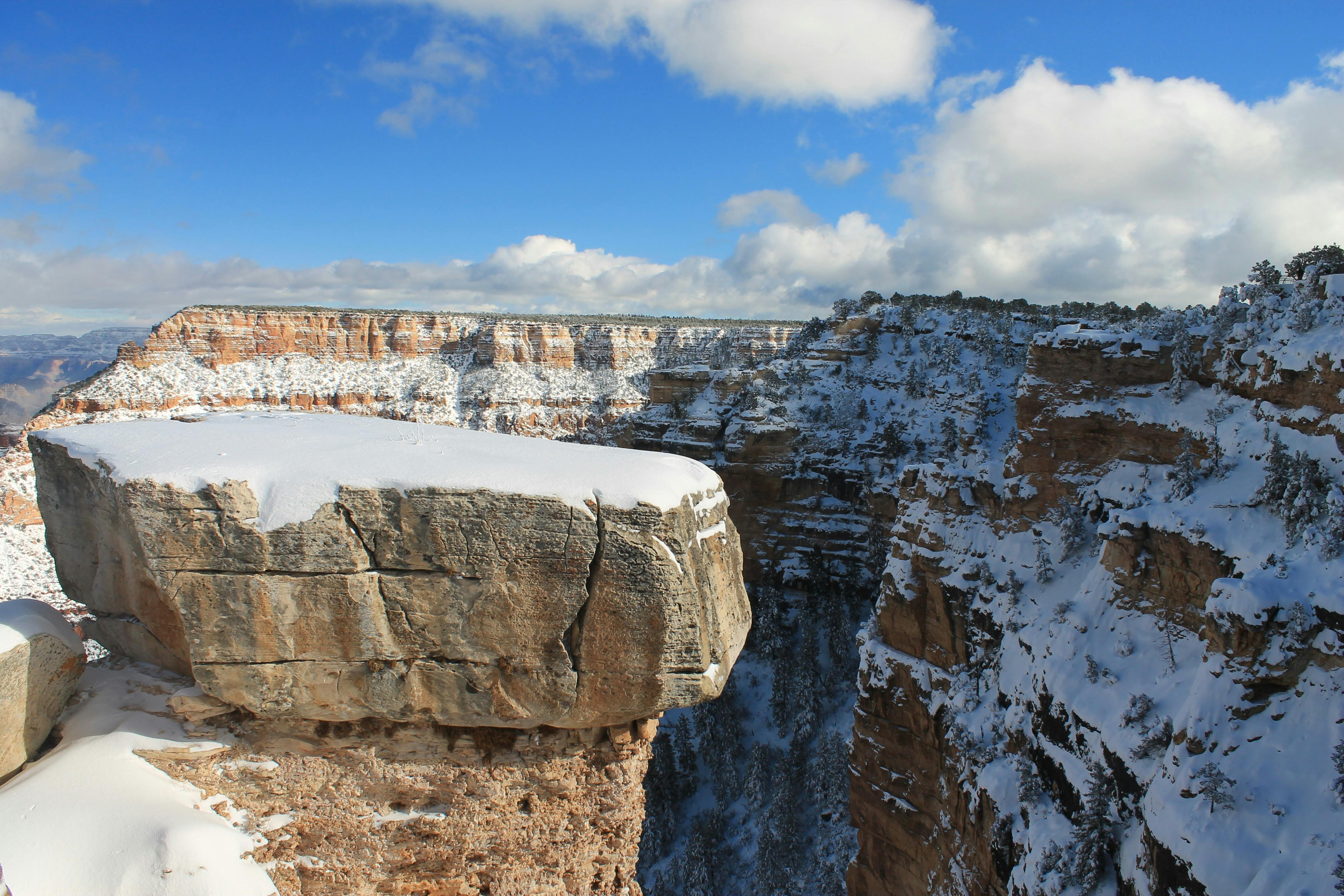
Grand Canyon National Park, located in northern Arizona, is one of the most awe-inspiring natural wonders in the world. Established as a national park in 1919, this vast expanse encompasses over 1.2 million acres, featuring a dramatic landscape carved by the Colorado River over millions of years. The canyon stretches approximately 277 miles in length, up to 18 miles in width, and plunges over a mile deep, showcasing an intricate tapestry of geological formations that tell the story of Earth’s history.
Visitors to the Grand Canyon are often struck by its breathtaking vistas. The iconic rim views, particularly from popular viewpoints like Mather Point and Yavapai Observation Station, reveal layers of colorful rock that vary from deep reds to soft yellows. Each layer represents different geological periods, making the canyon a living textbook of Earth's past. Sunrise and sunset cast vibrant hues across the rock formations, creating a mesmerizing spectacle that attracts photographers and nature lovers alike.
The diverse ecosystems within the park further enhance its allure. From the arid, high desert of the South Rim to the lush forests of the North Rim, the Grand Canyon is home to a wide variety of flora and fauna. Visitors may encounter wildlife such as mule deer, bighorn sheep, and a plethora of bird species, including the majestic California condor. Hiking trails meander through these habitats, allowing for immersive experiences in the park’s natural beauty.
Adventurous souls are drawn to the myriad recreational activities available in the Grand Canyon. Rafting down the Colorado River offers a thrilling perspective of the canyon, with rapids that challenge even the most seasoned paddlers. Hiking trails, ranging from the well-known Bright Angel Trail to more remote routes like the Hermit Trail, provide opportunities for exploration and physical challenge. For those seeking a more leisurely experience, scenic drives along the rim or guided tours offer a chance to absorb the grandeur without the strain of strenuous activity.
Cultural heritage is another vital aspect of the Grand Canyon's identity. The area is sacred to several Native American tribes, including the Havasupai, Hualapai, Navajo, and Hopi. These cultures have deep historical and spiritual connections to the land, and their influence can be seen in various art forms, traditional practices, and community events that take place in and around the park. Visitors can learn about these rich traditions through educational programs and exhibits, fostering a greater appreciation for the canyon’s significance beyond its physical beauty.
In addition to its natural and cultural wonders, Grand Canyon National Park faces ongoing challenges related to conservation and environmental stewardship. Issues such as climate change, tourism management, and habitat preservation are at the forefront of park management efforts. As visitors flock to this magnificent destination, it becomes increasingly important to balance accessibility with the need to protect its delicate ecosystems. Through sustainable practices and community engagement, the park strives to ensure that the Grand Canyon remains a treasured natural heritage site for future generations to explore and enjoy.